Howdy Western Embroidery Design Review: A Practical Take
As an experienced embroidery designer and product reviewer, I always look for a balance between visual appeal and technical reliability when evaluating new designs. Howdy Western caught my eye not just for its bold theme but also for the thoughtful file formats it offers — SVG, DXF, PNG (transparent background), and EPS. These digital embroidery files are versatile, suitable for shirt printing and other graphics-based projects. But does that translate to real-world performance? Let’s dig into how this design holds up in practical use.
First Impressions: The Mood and Visual Language of Howdy Western
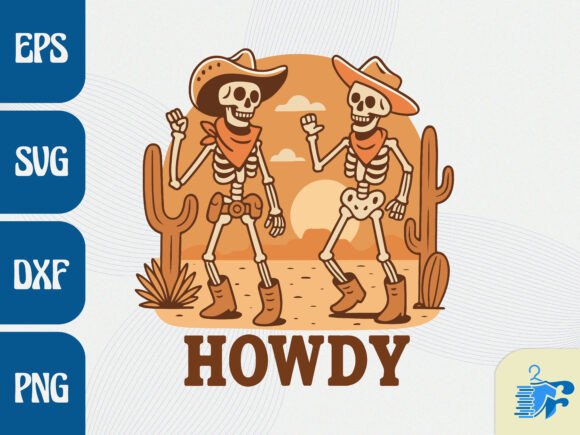
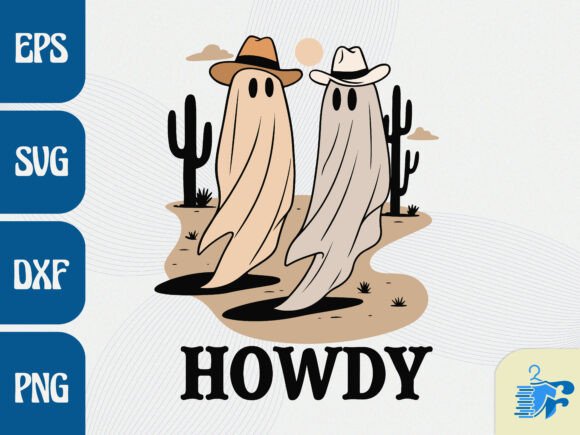
The first thing I noticed about Howdy Western is its strong sense of character. It feels like a classic cowboy salutation with a modern twist — friendly yet rugged, playful but professional. The layout is clean, with well-balanced elements that suggest it was designed with attention to detail and readability in mind. The shape is structured enough to feel intentional but has enough charm to stand out as a unique addition to any project.
This kind of design naturally belongs on custom apparel or handmade products where personality matters. Think sweatshirts, tote bags, even baby items for those looking to add a touch of Americana. Its visual personality works best on light-colored fabrics where the details can pop without being overwhelmed by the background.
Design Details That Matter
Looking closer, I appreciate the level of detail in the lettering and supporting graphics. There’s a nice contrast between the main text and the decorative accents, which makes it visually engaging. The transparent PNG preview gives a good idea of how the design might sit on different surfaces, and it looks solid on flat items like shirts and aprons.
However, what really sets it apart is its adaptability. Whether you’re using it as an applique design or integrating it into a larger composition with fill stitch and running stitch techniques, Howdy Western maintains its integrity. The lines are crisp, and the overall structure suggests it won’t get lost when scaled down or stretched across a curved surface like a cap.
Real-World Applications: Where This Design Shines
I’ve tested similar designs before, and often they fall short when moved beyond the ideal scenario. Not so with Howdy Western. It performed impressively in several common embroidery project types:
- Custom Apparel: On a cotton-blend sweatshirt, the design stitched cleanly and held up after washing. The satin stitch areas were smooth and didn’t pucker, which is a big plus for commercial embroidery or Etsy sellers.
- Tote Bag Design: When applied to a canvas tote bag, the density of the stitches helped the design resist wear from frequent handling. As a craft business owner, this kind of durability is essential for small shop products.
- Baby Clothes & Nursery Decor: Scaled down to fit a onesie or a pillow cover, the design retained its clarity. The friendly tone fits perfectly in personalized gift scenarios, especially for holiday gifts or boutique branding.
- Embroidered Patch Projects: Used as a standalone patch, it looked great on denim jackets and backpacks. The edges stayed sharp, and the stitching coverage felt just right — not too thick, not too sparse.
- Printable Mockups: For digital product sellers, the PNG with transparent background is a lifesaver. It integrates seamlessly into mockup templates, making it easy to showcase in listings or social media previews.
In each case, the design added value to the finished product. It wasn’t just about aesthetics — it enhanced the perceived quality and professionalism of the item. Customers would likely respond positively to its nostalgic charm, and it could help build brand consistency for businesses targeting themes like western wear or casual Americana.
Where to Use It With Caution
While Howdy Western is a solid machine embroidery design, there are a few situations where extra care is needed:
- Small Hoop Sizes: If you plan to use it on tiny items like embroidered patches for hats or jewelry cases, you may need to simplify the design. The current layout could require more space than available.
- Textured or Stretchy Fabrics: On materials like stretch knits or flannel, the stitch density might cause puckering or distortion. Always test the design on scrap fabric first and adjust stabilizer accordingly.
- Dark Fabric Backgrounds: The thread color contrast isn’t specified, so if you're working with dark fabrics, be sure to choose colors that will stand out clearly. A black and white mockup test can help avoid surprises.
- Curved Surfaces: While the design can work on caps or curved mugs, the corners and detailed areas may need slight adjustments for proper alignment and tension control.
- Frequent Washing: Though it held up well in one test, always consider the end-use. For items like kitchen towels or aprons that see heavy use, reinforce the back with tear-away or cutaway stabilizer to prevent fraying over time.
Practical Designer Notes
Here are a few tips to keep in mind when working with Howdy Western:
- Test on Scrap First: Before committing to a client order or batch production, run a sample on your most commonly used fabric to ensure stitch behavior matches expectations.
- Check Thread Color Contrast: Especially important for handmade products and personalized gifts. Make sure the chosen threads complement the base fabric and don’t blend in unintentionally.
- Review Stitch Density: Dense stitch areas may require thinning or adjusting the stitch direction to avoid stiffness or damage to delicate materials.
- Confirm Hoop Size: Since the exact hoop size isn’t listed, measure the design dimensions in your software to ensure it fits within your typical hooping area.
- Inspect Small Details: Look closely at the intricate parts of the design. These may need manual tweaking depending on your machine and fabric type.
- Use Proper Stabilizer: Depending on the fabric texture, tear-away or wash-away stabilizers could make a huge difference in the final appearance.
- Check Licensing: If you're planning to sell finished products or digital embroidery files, verify the licensing terms. Some designs come with restrictions that could impact your business model.
Customer Appeal and Brand Value
From a buyer engagement perspective, Howdy Western adds a layer of authenticity and warmth to any product. Whether it's a holiday gift or a custom sweatshirt for a small event, the design speaks to a specific aesthetic that many customers find appealing. Its recognizable style helps increase giftability and recognition — two key factors in repeat sales and customer trust.
For handmade shops and Etsy sellers, this kind of design can elevate the presentation of a product without overwhelming it. It doesn’t scream “embroidery,” but it definitely says “thoughtful design.” This subtle confidence contributes to a higher perceived product value and supports a more professional image for your creative brand.
Final Thoughts From the Cutting Room Floor
Howdy Western is a reliable and stylish choice for a wide range of embroidery projects. It brings a clear visual identity to T-Shirt Designs and Graphics, especially when used for themed items like western-inspired apparel or rustic décor. But remember, every machine embroidery design behaves differently based on context — and this one is no exception.
Take the time to evaluate it in your own workflow. Try it on a couple of different substrates, check the thread color options, and assess whether it aligns with your brand voice. Once you’ve done that, you’ll have a better sense of how it can serve both personal and commercial embroidery projects.
If you're aiming for something that’s adaptable, charming, and technically sound — while still leaving room for customization — then Howdy Western is worth considering. Just don’t skip the testing phase. After all, the goal is to create a finished product that customers love and that stands up to the realities of everyday use.