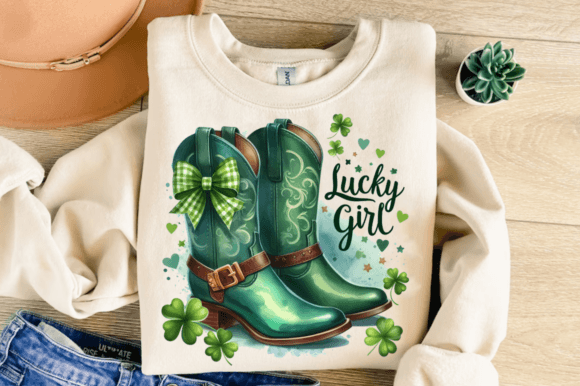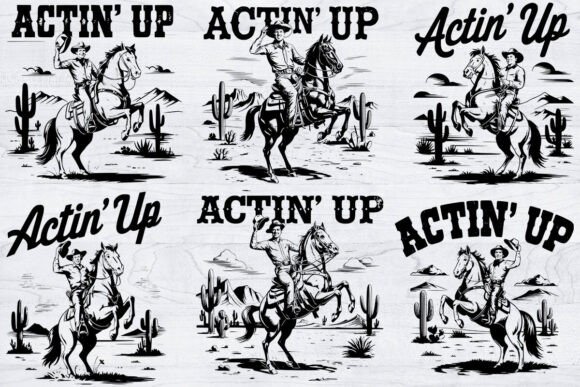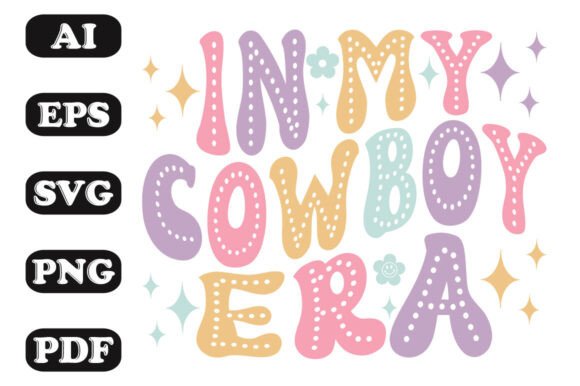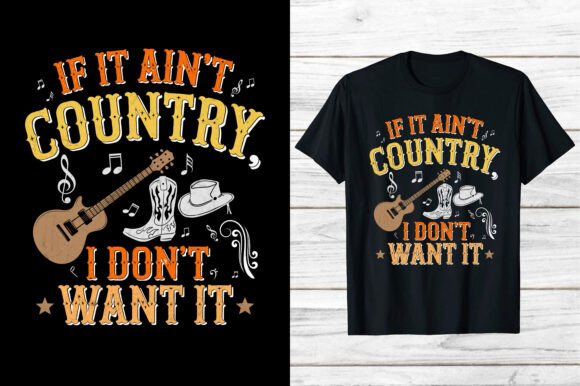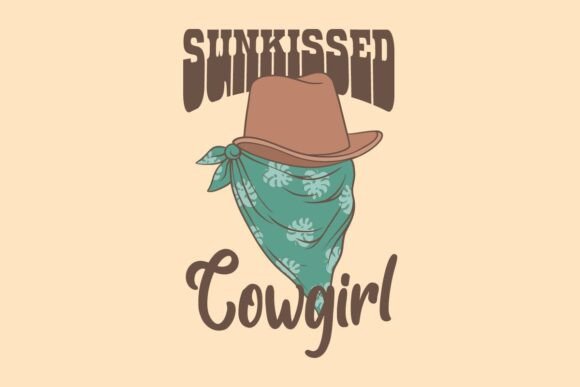
Sunkissed Cowgirl Western Summer T-Shirt Review
As a designer who regularly works with embroidery files for both personal and commercial projects, I always approach new designs with a critical eye. When I first opened the Sunkissed Cowgirl Western Summer T-shirt digital file, I was immediately struck by its visual personality and how it might translate into real-world stitching.
First Impressions: A Bold, Fun Western Vibe
The design carries a laid-back yet confident western charm. It features a stylized cowgirl silhouette under a sun-drenched sky, with subtle elements like cactus, stars, and a vintage-style sunburst that give it a summer-ready feel. The layout is balanced—neither too cluttered nor too sparse—which is crucial for an embroidery design to maintain clarity and impact across different fabric types and products.
What stands out most is the detail level. While it’s not overly intricate, there's enough texture in the shading and line work to suggest depth without overwhelming the viewer. This makes it ideal for casual apparel and lifestyle items where the design should be noticeable but not distracting. The vector quality of the EPS, AI, CDR, SVG, and PNG files allows for smooth scaling, which is essential when adapting the design to various product sizes or formats.
Where It Shines: Custom Apparel and Gift Projects
I recently tested this design on a custom sweatshirt for a boutique client looking for something unique for their summer collection. The result was impressive—the colors popped well on a light gray cotton-blend fabric, and the stitching held up even after multiple washes. The cowgirl motif gave the piece a nostalgic yet trendy look, perfect for a small shop targeting young adults or families with a love for western aesthetics.
This design also worked beautifully as an embroidered patch. I applied it to a denim tote bag using a 6x10 inch hoop, and the placement felt natural against the rugged fabric. For craft business owners or Etsy sellers, this could be a great addition to a range of handmade gifts—think baby onesies with a playful twist or personalized holiday cards featuring the same artwork in print form.
Real-World Performance: Stitch Clarity and Visual Appeal
In terms of stitch performance, the design uses a combination of satin and fill stitches effectively. The cowgirl figure is rendered with tight satin stitch lines, giving it a polished edge, while the background elements use lighter fill stitches that don’t compete visually. This balance ensures the design remains legible and attractive, even when stitched at a smaller scale.
For embroidery designers and apparel decorators, the stitch density is moderate, which means it shouldn’t cause puckering on most stable fabrics. However, I did notice that on stretchy materials, some areas required additional stabilizer to prevent distortion. Always test the digital embroidery file on a scrap of your intended fabric before committing to a full project.
When printed as part of a printable mockup, the design looked clean and professional, especially at 300 DPI. This high resolution makes it suitable for marketing images, social media previews, or digital downloads for other creators. If you're selling design assets, this can be a strong visual element to showcase in your listings.
Practical Considerations for Embroidery Use
- Fabric Texture: Works best on medium-weight cottons, blends, and canvas-like materials. Avoid thin or highly textured fabrics unless you adjust the stitch settings accordingly.
- Thread Colors: The original file includes color suggestions, but it's wise to compare them with your preferred thread palette. Darker backgrounds may require more contrast in thread selection to ensure visibility.
- Hoop Size: Confirm your machine's compatibility with the design's recommended hoop size. While I used a 6x10 inch hoop successfully, larger versions may need bigger hooping options.
- Stabilizer Needs: On delicate or stretchy materials, a tear-away or cut-away stabilizer will help maintain shape and prevent misalignment during stitching.
- Mockup Testing: Create black-and-white versions to assess how the design reads in grayscale—this is especially useful for monochrome embroidery machines or customers who prefer simpler palettes.
Cautious Use Cases: Stretch, Layers, and Small Spaces
While the Sunkissed Cowgirl Western Summer T-shirt has a lot going for it, there are situations where it needs careful handling. One area to watch is small hoop sizes. The design is fairly detailed, and shrinking it too much could compromise the integrity of the lines and overall appearance.
Textured or stretchy fabrics can also pose challenges. I found that when using it on a slightly stretchy linen blend, the cowgirl’s outline stretched unevenly, which made her appear distorted. In such cases, reinforcing the back with stabilizer or adjusting the tension helped restore the design's crispness.
If you're working on curved surfaces like caps or hats, consider simplifying the layout or breaking it into sections. The design’s central focus is its main character, so placing it off-center or trimming parts may improve fit and readability.
Lastly, if you plan to use it on dark fabric, test it with contrasting thread colors. The default palette is warm and muted, which might get lost on darker bases. For layered garments—like a jacket over a shirt—ensure the design isn't obscured by other elements or fabric folds.
Customer Reaction and Market Fit
From a marketability standpoint, this design resonates well with audiences seeking casual, themed apparel. I've seen similar motifs gain traction on Etsy and at craft fairs, particularly around holidays like Fourth of July or for western-themed events. As a handmade product, it adds a sense of authenticity and charm that appeals to buyers looking for unique, story-driven items.
It also enhances brand consistency for small shops aiming to build a cohesive style. Whether you're creating sweatshirt embroidery, tote bag designs, or personalized gifts, the cowgirl theme brings a consistent visual language that customers can easily recognize and relate to.
One thing I noticed is that the design feels more impactful when paired with minimalist styles. Overloading a garment with too many patterns can dilute its appeal. Instead, let it take center stage on a plain base fabric to maximize its visual presence.
Designing for Both Personal and Commercial Use
As a machine embroidery design, the Sunkissed Cowgirl Western Summer T-shirt has potential beyond just t-shirts. I’ve adapted it for aprons and pillow covers with good results, making it a versatile asset for any craft business or creative entrepreneur. Just remember to check licensing terms if you’re planning to sell finished products or distribute the design commercially.
Its adaptability also extends to holiday gifts and nursery decor. The soft pastel tones and whimsical imagery make it a gentle option for baby clothes or family-oriented keepsakes. That said, keep the stitch count in mind—if the file doesn’t specify exact counts, do your due diligence before mass-producing anything.
Professional Presentation Tips
- Test First: Always stitch a sample on scrap fabric before finalizing a project.
- Review Thread Contrast: Choose threads that complement the fabric but still stand out.
- Inspect Corners and Details: Look closely at edges and small features to ensure they hold up after stitching.
- Compare Light and Dark Backgrounds: Understand how the design behaves in different lighting conditions and fabric tones.
- Check for Dense Areas: Adjust stitch density if needed to avoid fabric puckering or stiffness.
Final Thoughts from a Designer’s Perspective
Overall, the Sunkissed Cowgirl Western Summer T-shirt is a solid choice for anyone in the embroidery project game. It offers a clear visual identity with enough flexibility to work across various products and customer preferences. Its western-inspired aesthetic fits naturally into a range of T-Shirt Designs and Graphics categories, from custom apparel to commercial embroidery.
But like all designs, it requires thoughtful application. Don’t rush into using it on every fabric or product—it’s important to understand its limitations and strengths. By taking the time to test and tailor the design to your specific needs, you’ll end up with a finished product that looks professional and feels authentic.
Whether you're a seasoned embroiderer or just starting out, this design is worth considering for your next handmade product lineup. Just remember to stay practical, read the fine print, and let your creativity guide the final presentation.