Yellow Silver Concho Western Theme Review
As a designer who spends more time than I care to admit staring at stitch grids and debating thread tension, I approach every new asset with a healthy dose of skepticism. The market is flooded with generic clipart that looks fine on a screen but falls apart when translated into thread. Recently, I evaluated the Yellow Silver Concho Western Theme, a graphic asset marketed as a high-resolution PNG suitable for printing and design projects. My goal was simple: determine if this visual concept holds up in a real-world embroidery scenario or if it’s just another pretty picture that lacks structural integrity for stitching.
The product description highlights a 300 dpi resolution with a transparent background and dimensions exceeding 2500 pixels on one side. Crucially, it is explicitly stated as not an SVG file and not a cut file. This distinction is vital for embroidery designers because it means we are dealing with a raster image intended for tracing, printing, or use as a reference layer, rather than a ready-to-stitch machine file. Understanding this limitation upfront changes how we evaluate its utility. It is a foundational graphic asset, not a finished digital embroidery file.
First Impressions and Visual Personality
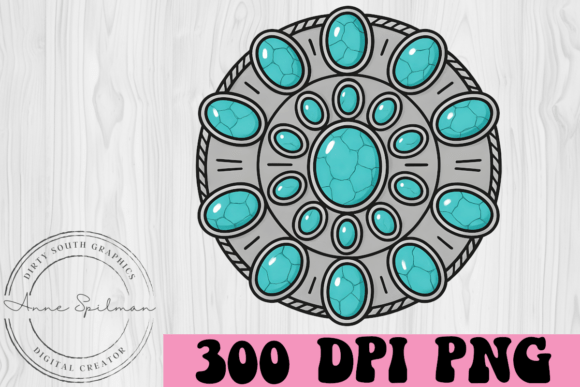
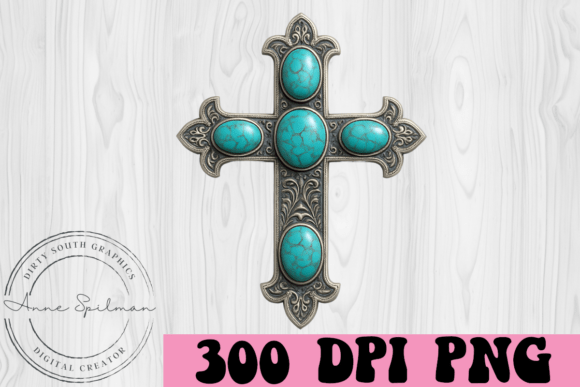
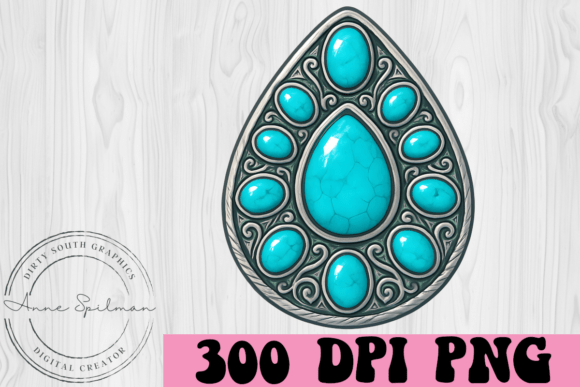
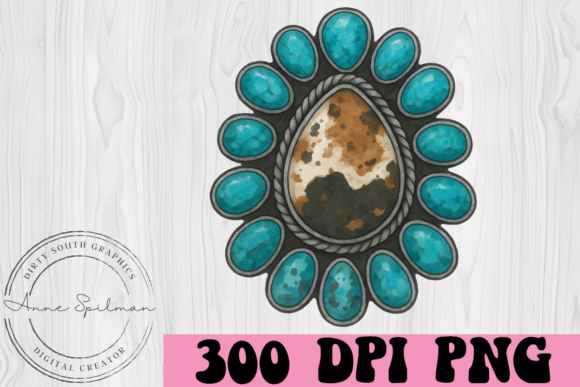
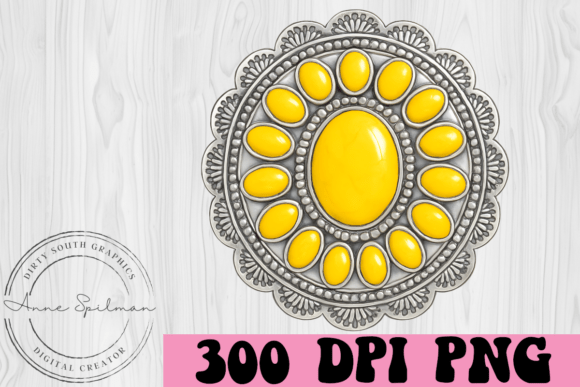
The moment you load the Yellow Silver Concho Western Theme onto your canvas, the mood is distinct. It evokes a sense of rugged elegance, blending traditional western aesthetics with a touch of modern vibrancy due to the yellow accents against the silver tones. For a designer looking to create a cohesive brand identity for a boutique western wear line or a rustic-themed craft business, this theme offers immediate recognition. The concho shape itself is iconic—it suggests durability, craftsmanship, and a nod to heritage styles.
Visually, the design feels balanced. The symmetry inherent in concho designs usually translates well to embroidery, as human eyes prefer balance in wearable art. However, the "Western" aspect requires careful handling. If the lines are too thin or the details too intricate, the design risks losing its character during the digitizing process. As a graphic illustration, it provides a strong silhouette, which is half the battle won when planning a custom apparel project.
Real-World Application: The Tote Bag Scenario
To truly test this design, I imagined applying it to a practical handmade product: a heavy-duty canvas tote bag for a farmer’s market vendor. This is a common use case for small shop owners who want to offer branded merchandise that feels personal yet professional. Using the Yellow Silver Concho Western Theme as a centerpiece for such a bag makes sense. The sturdy nature of canvas can support the visual weight of a concho design without overwhelming the fabric.
In this scenario, the designer would likely trace the main outline of the concho and apply a dense fill stitch to give it substance. The yellow elements could be rendered in a bright, contrasting thread color, while the silver areas might use a metallic thread to catch the light. This combination creates a tactile experience for the customer. When they pick up the tote, the slight raised texture of the embroidery adds value. It transforms a simple canvas bag into a statement piece. For an Etsy seller, this level of detail justifies a higher price point because it signals effort and quality.
However, this application also highlights the importance of the source file. Since this is a PNG and not a vector, scaling it down for smaller items like cap patches requires caution. Raster images can become pixelated if enlarged beyond their original limits, but shrinking them for small hoops is generally safe provided the resolution remains high enough (which 2500 pixels supports). The transparency of the background is a huge plus here, allowing the designer to place the concho directly over the fabric texture in mockups without worrying about white boxes interfering with the preview.
Challenges and Considerations for Stitching
While the visual appeal is strong, translating a graphic illustration into a functional machine embroidery design involves several technical hurdles. First, consider the stitch density. Concho designs often feature large flat areas. If digitized with too much fill, the fabric may pucker; if under-filled, the design may look sparse and cheap. The designer must carefully map out where fill stitch is needed versus where satin stitch borders will define the shape.
Fabric choice is equally critical. This theme pairs beautifully with denim, leather, or thick cotton blends. On these materials, the thread colors pop, and the structure holds up well. Conversely, using this design on thin, stretchy fabrics like jersey knits is risky. The weight of the embroidery, especially if metallic threads are used for the silver components, can distort the garment. In such cases, a lightweight stabilizer is non-negotiable to prevent shifting and puckering.
Another area requiring attention is the small details. Western themes often include decorative elements like stars, ropes, or geometric patterns within the concho. If these details are too fine in the original PNG, they may disappear entirely after stitching. I recommend inspecting the design closely before committing to production. If the details are minimal, embrace that simplicity. A bold, simplified concho often reads better from a distance than a cluttered, overly detailed one.
Color and Contrast Strategy
The interplay between yellow and silver is striking but tricky. Yellow can sometimes get lost on light backgrounds, while silver metallic threads can reflect light in unpredictable ways, potentially obscuring the design depending on the viewing angle. Testing the design in black and white mockups is a smart move. This helps determine if the contrast levels are sufficient for legibility. If the yellow is too pale, switching to a gold or ochre thread might provide better visibility without losing the warm tone. Similarly, ensuring the silver thread has enough sheen to stand out against the fabric texture is essential for maintaining the premium feel of the finished product.
Commercial Viability and Brand Consistency
For commercial embroidery projects, consistency is key. If you are creating a collection of personalized gifts—such as matching aprons for a cooking class or hats for a team—the Yellow Silver Concho Western Theme offers a versatile anchor. It works well for holiday embroidery, particularly around Christmas or Thanksgiving, where rustic and western motifs are popular. It also fits seamlessly into wedding gift collections for couples with a country aesthetic.
Using this graphic as a base allows for customization. You can add names, dates, or small icons around the central concho motif. This flexibility is invaluable for Etsy sellers and small shop products who need to offer unique variations without designing every element from scratch. The high resolution ensures that any added text or elements can be integrated smoothly, maintaining a professional look across all listings.
Final Verdict
The Yellow Silver Concho Western Theme is a solid graphic asset for designers willing to put in the work to translate it into stitch form. It is not a plug-and-play solution, as it is a PNG image, but that is actually a benefit for those who want creative control over the digitizing process. It provides a strong, recognizable silhouette that resonates with customers who appreciate western style.
Before using this design for sale, always test on scrap fabric. Check the hoop size constraints and ensure your stabilizer choices match the fabric weight. Verify licensing terms if you plan to sell the final embroidered items, as usage rights for graphic assets can vary. When executed correctly, this theme can elevate a simple handmade product into a desirable custom apparel item. It bridges the gap between digital illustration and tangible craft, offering a pathway to create memorable, high-quality goods for your clientele.
In summary, if you are a craft business owner looking to expand your western-themed offerings, this design is worth exploring. Just remember that the magic happens in the stitching, not just the screen. Treat it with respect, plan your thread colors carefully, and you will have a winning embroidery project on your hands.