★★★☆☆3.7(127 reviews)
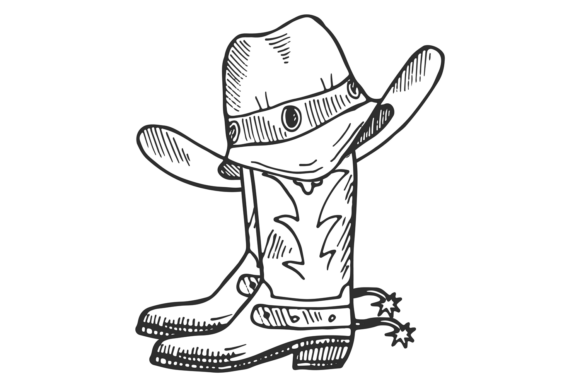
A Cowboy Hat and Boots in Black
Where to Use With Care
- Small Hoop Sizes: The design is detailed enough that shrinking it too much may compromise legibility. Always confirm recommended minimum dimensions from the source.
- Textured Fabrics: On canvas, flannel, or other thick materials, the design might lose its sharpness unless you adjust stitch density and use proper backing stabilizers.
- Thin or Stretchy Fabrics: Delicate materials like jersey knit or silk may struggle to hold the weight of dense stitching, leading to puckering or distortion. Test with a light-weight stabilizer first.
- Dark Fabric Backgrounds: Since the design is monochrome, placing it on a dark background requires careful thread selection. White or cream thread can still work, but ensure the contrast is sufficient for visibility.
- Products Requiring Frequent Washing: Items like baby clothes or kitchen towels should be tested for shrinkage and wear. Dense areas might need reinforcement or alternative stitching techniques to prevent fraying.
Designer Notes for Real Project Use
- Test on Scrap Fabric First: Before applying the design to a client’s shirt or a batch of tote bags, do a trial run. See how the stitches lay and whether the design holds up under tension.
- Check Thread Color Contrast: While the design itself is in black and white, the actual thread colors used in stitching can change the outcome. Consider using black, navy, or charcoal threads for a cohesive look.
- Review Stitch Density: Depending on the fabric, you may need to reduce stitch density to avoid puckering or increase it for better definition. Always inspect the corners and fine details after testing.
- Confirm Hoop Size: Without specific hoop size recommendations provided in the product description, it’s crucial to determine the smallest suitable hoop based on your machine’s capabilities and the design’s complexity.
- Inspect Small Details: The spurs on the boots are a standout element, but they could easily get lost if not stitched carefully. Pay attention to those areas when editing the file or adjusting settings.
- Use Proper Stabilizer: Especially for stretchy or thin fabrics, a good stabilizer is non-negotiable. Try tear-away for cotton blends and cut-away for synthetics or knits.
- Compare Light and Dark Backgrounds: The design’s monochrome palette means it needs a contrasting base to shine. Make sure to provide examples of how it appears on both light and dark tones for transparency.
- Verify Licensing for Commercial Use: If you plan to sell finished products or digital embroidery files, confirm that the original Graphics license allows for commercial reproduction. This is vital for Etsy sellers and small shop owners.
⬇️ Download Free
Free download · No sign-up required
🔗 You Might Also Like
Illustrations
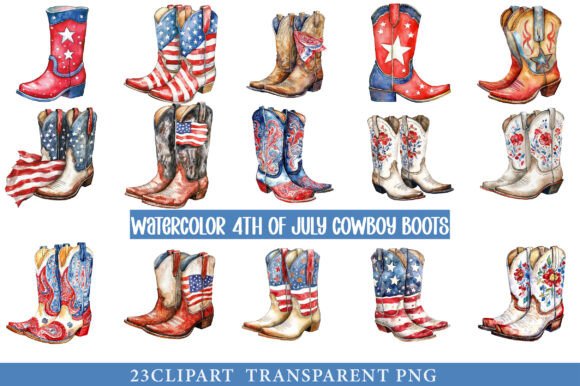
First Impressions and Visual Personality When I first opened the 4th of July Cow...
Illustrations
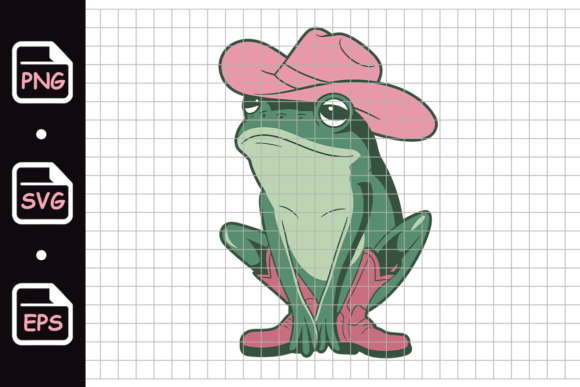
When I first opened the Cowboy Frog with Pink Hat and Boots digital embroidery d...
Illustrations
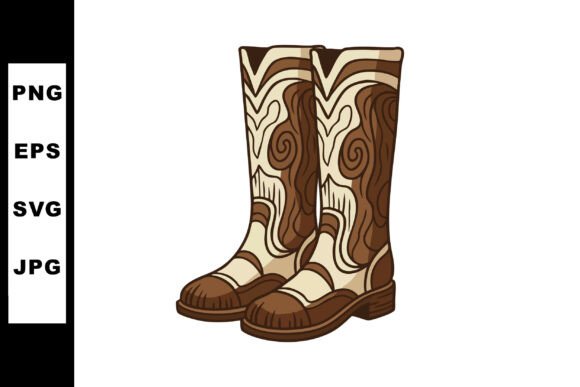
Embroidery design is more than just aesthetics—it's about how a piece translates...
Illustrations
As a designer who spends half my life staring at stitch charts and the other hal...
Illustrations
As an experienced embroidery designer and product reviewer, I’ve tested countles...
