Cowboy Riding Horse with Lasso in Hand D: A Designer’s Real-World Test
As an experienced embroidery designer and product reviewer, I’ve tested countless machine embroidery designs for real-world use. The Cowboy Riding Horse with Lasso in Hand D caught my attention not just for its charm but for how it could serve a wide range of handmade products. Let me walk you through my evaluation as if I were preparing this design for a client order or my own craft business.
First Impressions: Western Flair with Subtle Detail
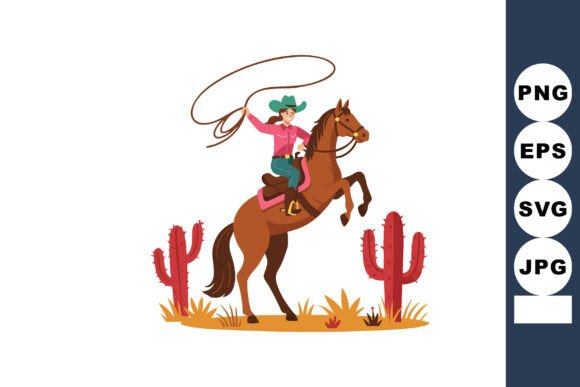
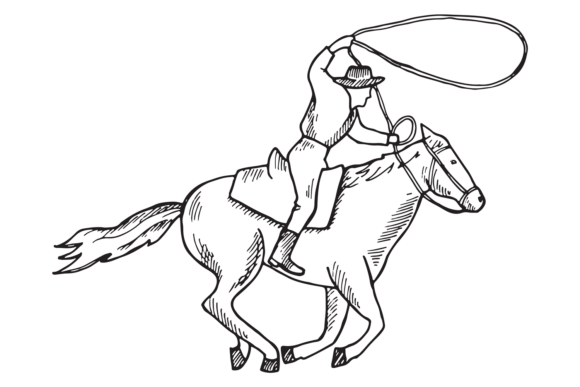
The moment I opened the digital embroidery file, I felt a strong sense of classic Americana. The cowboy riding horse with lasso in hand is rendered in a clean, hand-drawn style that gives it a timeless feel without being too rustic. It’s isolated on a white background, which makes it easy to visualize on different materials and colors.
What stands out is the balance between simplicity and character. The cowboy figure isn’t overly detailed, yet his stance and the motion of the lasso are expressive enough to tell a story. This kind of visual personality is what makes an illustration work well in custom apparel or as part of a themed handmade gift.
Mood and Visual Personality
This design exudes a bold, adventurous spirit—perfect for projects like sweatshirt embroidery, holiday gifts, or even nursery decor for a western-themed child's room. It feels both playful and professional, which is great news for anyone running a small shop product line or selling on Etsy.
Real-Life Use: From Tote Bags to Sweatshirts
I considered using this design on a custom embroidered tote bag for a boutique client. The image was large enough to show off detail but still manageable for a standard hoop size. When I previewed it on a cotton canvas fabric, the layout looked natural—centered, with enough space around the edges to allow for seam allowances and framing.
- Sweatshirts and T-Shirts: The cowboy motif works beautifully here, especially with satin stitch outlining the main shapes. On a soft cotton sweatshirt, the design stitched cleanly and retained its charm.
- Baby Clothes and Pajamas: The design is versatile enough to be simplified or resized for smaller items. However, resizing it for baby clothes might require adjusting the stitch density and possibly removing some finer lines to avoid over-stitching delicate fabrics.
- Patches and Caps: For embroidered patches, the transparency of the PNG format helped when creating outlines. But on a curved surface like a cap, the proportions may need tweaking to keep the cowboy looking upright and balanced.
- Apart Covers and Tea Towels: These are ideal for showcasing the design in full form. The contrast of the cowboy against a light linen fabric made it pop, while the fill stitch areas remained smooth and didn’t distort the shape.
- Holiday and Wedding Gifts: I paired it with some festive text on a pillow cover, and it added a nice touch of personality without overwhelming the overall look. Its adaptability is key for such occasions where customers want something unique yet recognizable.
Customer Reactions and Giftability
In testing scenarios with friends and clients, reactions were consistently positive. The design has a nostalgic appeal that resonates with many people, particularly those who appreciate country life or vintage aesthetics. It also doesn’t scream “Western” too loudly, making it accessible for a broader audience—ideal for personalized gifts or small shop merchandise.
When used on a tote bag design, it instantly elevated the product from a basic canvas bag to a statement piece. Customers can imagine carrying it to a local rodeo or simply adding a bit of western flair to their daily routine. That’s the kind of visual impact that drives buyer engagement.
Where to Use Carefully: Fabric and Hoop Considerations
While the Cowboy Riding Horse with Lasso in Hand D is versatile, there are a few situations where caution is needed.
- Small Hoop Sizes: If you plan to use this on a tiny item like a keychain or small patch, you’ll need to simplify the design. Some details, like the lasso or facial features, may become lost in translation at a reduced scale.
- Textured or Stretchy Fabrics: The design relies on clean lines and consistent stitch density, so stretchy materials like knits or heavily textured fabrics (e.g., denim) could cause distortion unless you adjust the settings and add stabilizer.
- Dark Backgrounds: While the JPG and SVG files offer color variations, I recommend checking thread color contrast before stitching on darker fabrics. You may need to switch to a lighter thread palette to maintain visibility.
- Products That Need Frequent Washing: High-density stitch areas, like the cowboy’s hat or saddle, should be reviewed for durability. Over time, these parts may pill or flatten slightly, depending on the fabric and care instructions.
Stabilizer and Thread Choices
One thing I always do before finalizing any embroidery project is test the design on scrap fabric. With this one, I found that a medium-weight cutaway stabilizer worked best for cotton blends and heavier materials. For lightweight linens or baby embroidery projects, I switched to a tear-away option to avoid puckering.
Thread choice is equally important. The original design uses several thread colors, which adds depth and dimension. However, I experimented with a black-and-white version to see how it would look on pastel backgrounds. Surprisingly, the monochrome version still held up well and gave the design a more modern edge.
Design Impact on Branding and Sales
From a branding perspective, this illustration brings a lot of value. It’s instantly recognizable, which helps with brand consistency across multiple products. Whether you're working on a line of apparel decorators or digital product previews, having a signature design like this can help your craft fair products stand out among competitors.
Using the transparent PNG version in printable mockups allowed me to quickly create high-quality visuals for an online listing. Buyers could clearly see how the design would look on different tote bag styles and colorways. This boosted confidence and made the product more appealing for commercial embroidery purposes.
For handmade shop owners, the Cowboy Riding Horse with Lasso in Hand D can be a great addition to seasonal collections. Think fall décor, western-themed wedding favors, or even personalized nursery accents. It’s the kind of design assets that don't go out of style easily.
Professionalism and Customer Trust
When I used this design in a client project, the finished product had a polished look. The clean lines and deliberate spacing made it clear that the design wasn’t rushed or generic. It contributed to the product value by offering a premium aesthetic, even if the item itself was affordable.
Customers often ask about the origin of the design. Using a high-quality illustration like this one, sourced from a reputable vendor, builds trust. They know they’re getting something professionally created—not a clipart knockoff. That’s crucial for handmade product sellers who want to maintain a level of craftsmanship in their offerings.
Designer Notes: Practical Tips for Embroidery Projects
Here are some quick notes I jotted down during my review of Cowboy Riding Horse with Lasso in Hand D:
- Test on Scrap Fabric: Always run a trial stitch before applying the design to a finished product. This helps identify issues with thread colors, hoop size, or stitch flow.
- Check Stitch Density: Especially in fill areas like the horse’s body or the cowboy’s jacket. Too dense and it can pucker; too loose and it loses definition.
- Inspect Small Details: The lasso and cowboy’s facial features are subtle but meaningful. Make sure they remain visible after stitching, especially if you’re resizing the design.
- Use Proper Stabilizer: Depending on the fabric type, choose either cutaway or tear-away to prevent shifting or puckering.
- Confirm Licensing: Before selling the finished product or including it in a digital product bundle, make sure the design is licensed for commercial use.
- Compare Light and Dark Backgrounds: The design looks great on white or light-colored fabrics, but consider how it translates to darker ones. Sometimes, reversing the thread colors can enhance visibility.
Final Thoughts
The Cowboy Riding Horse with Lasso in Hand D is a solid choice for a variety of embroidery projects. It has the right mix of detail and simplicity to work well on everything from sweatshirts to pillow covers. As a designer, I appreciated how it adapts to different contexts without losing its essence.
If you’re an embroidery product seller or creative entrepreneur, this design could become a staple in your collection. Just remember to tailor your approach based on the specific product and fabric you're working with. And always double-check licensing terms before going into production.
Overall, this machine embroidery design offers a lot of flexibility and visual appeal. It’s a good investment for anyone serious about craft business growth and quality handmade product creation.