Cowboy Riding Rearing Brown Horse with L Review
As an experienced embroidery designer and product reviewer, I've had the chance to evaluate countless designs for real-world use. The Cowboy Riding Rearing Brown Horse with L caught my attention not just because of its visual charm, but also because it tells a story—something that always resonates well in custom projects. Let me walk you through how this illustration translates into a practical machine embroidery design and what to keep in mind when using it.
First Impressions: A Bold Western Vibe
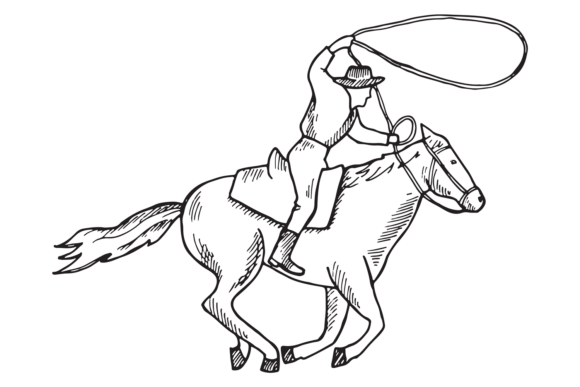
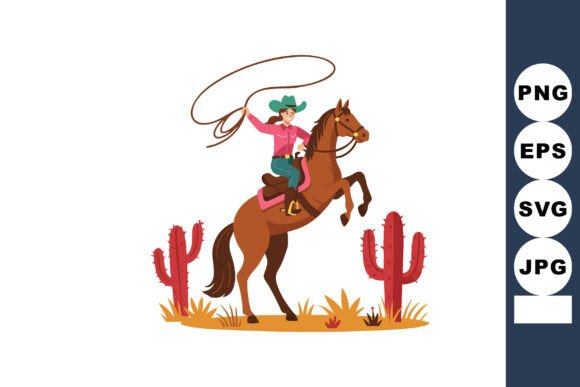
The Cowboy Riding Rearing Brown Horse with L is an energetic illustration that immediately brings to mind the rugged spirit of the American West. The cowboy’s green hat and pink shirt add a pop of color against the brown horse and desert backdrop, making it both vibrant and nostalgic. The layout is dynamic, with the horse rearing up and the cowboy mid-motion, which creates a sense of action and movement.
This kind of illustration doesn’t just sit on fabric—it commands attention. It has a clear focal point (the cowboy), supporting elements like cacti and dry plants, and enough detail to feel engaging without being overwhelming. As an embroidery file, it strikes a good balance between complexity and stitchability, especially if used on larger hoop sizes where the details can breathe.
Where This Design Shines
When considering where to place this graphic, I see it working best on custom apparel, particularly sweatshirts or t-shirts where the bold colors and motion can be fully appreciated. Its adventurous mood fits perfectly with western-themed handmade products, such as:
- Tote bag design – The open space of a tote makes it ideal for showcasing the full scale of the illustration. Think market bags or personalized gifts with a rugged edge.
- Sweatshirt embroidery – Placed down the center or along the back, this design adds character without being too busy for casual wear.
- Embroidered patch – If you’re selling patches or using them as part of a layered look, the cowboy motif could become a signature piece in your collection.
- Boutique branding – For small shop product lines or Etsy sellers looking to create cohesive branding around western themes, this design can serve as a strong visual anchor.
- Holiday gifts – Picture this on a pillow cover or apron for a festive yet stylish Christmas gift. The detail level gives it a premium feel.
I also see potential for using it as a printable mockup element in digital product previews. Since the ZIP includes SVG, EPS, JPG, and PNG files, it's versatile for showing off embroidered looks in online listings or promotional materials.
Customer Appeal and Brand Value
What really stands out about this design is its visual personality. It's not just another logo or icon—it's a scene that evokes emotion and nostalgia. When applied to a handmade product, it instantly elevates the perceived value. Customers are more likely to engage with items that tell a story, especially if they resonate with themes like adventure, tradition, or Americana.
For Etsy sellers or craft business owners, using this design in a project can enhance buyer engagement by offering something unique and expressive. It adds a touch of professionalism and creativity to your line, making it stand out among mass-produced goods.
Design Limitations and Considerations
While the machine embroidery design is visually appealing, there are some limitations to consider before applying it to every project:
- Small hoop sizes might struggle to capture the finer details of the cowboy's expression or the texture of the horse’s coat. Always review the stitch density and adjust accordingly.
- Textured or stretchy fabrics can distort the image, especially the more intricate parts like the cactus outlines or the horse’s legs. Stick to stable, woven materials for the best results.
- Thin or dark fabrics may not showcase the thread colors effectively. The contrast between the green hat and pink shirt is great, but it needs a background that allows those colors to pop.
- Curved surfaces like caps or hats require careful placement and possibly scaling down the design to avoid distortion.
- Detailed corners and tiny lettering aren't present in this design, so it's more forgiving than others in that regard—but still worth checking during test stitching.
- Frequent washing can affect dense stitch areas over time, so it's best suited for decorative rather than high-wear items unless reinforced properly.
Thread Colors and Fabric Compatibility
Since the downloadable package includes multiple formats, it's easy to imagine how different thread colors might bring this scene to life. However, the original illustration uses specific hues, so choosing similar shades will preserve the design’s integrity. On light-colored fabrics, the default palette works beautifully; on darker ones, you may need to rethink the thread choices to maintain visibility.
Also, note that while the design is rich in imagery, it doesn’t include text. This makes it adaptable for personalized gifts—just leave room for names or dates to be added separately. It's perfect for creating nursery decor or western-themed wedding gifts when paired with complementary typography.
Designer Tips for Real-World Use
Here are a few practical steps I recommend before incorporating this design into your next project:
- Test the design on scrap fabric first. This helps identify any issues with stitch flow or tension early on.
- Check thread color contrast against your intended fabric. Sometimes a subtle shift in shade can make a big difference in clarity.
- Review stitch density to ensure it won’t pucker or pull, especially on delicate materials.
- Confirm hoop size requirements. Larger illustrations often need bigger hoops, so don’t assume until you verify.
- Inspect small details like facial features or plant textures. These can easily get lost if the design is scaled too small.
- Test it in black and white to see how it holds up without color. This helps determine if it’s still legible for monochrome embroidery options.
- Compare light and dark fabric backgrounds to understand how the design adapts across different tones.
- Use proper stabilizer for the fabric type you're working with. Stabilization is key to maintaining shape and quality after stitching.
- Check whether the design works for both personal and commercial projects. Licensing terms should be confirmed before selling finished items or digital assets.
Final Thoughts from the Hoop
The Cowboy Riding Rearing Brown Horse with L isn’t just an illustration—it's a statement. Whether you're designing a sweatshirt, tote bag, or patch, it brings a distinct energy that customers will notice and appreciate. But like any good design, it requires thoughtful application to truly shine.
My advice? Start with a large-scale project where the design can take center stage. Then, experiment with smaller versions or variations in thread color to expand its use cases. And remember: always test before you stitch, especially when working with new graphics or complex scenes.
If you're aiming to add a bit of wild-west flair to your handmade product line, this one's worth keeping in your digital design toolkit. Just make sure you're ready to match its energy with the right preparation and execution.